
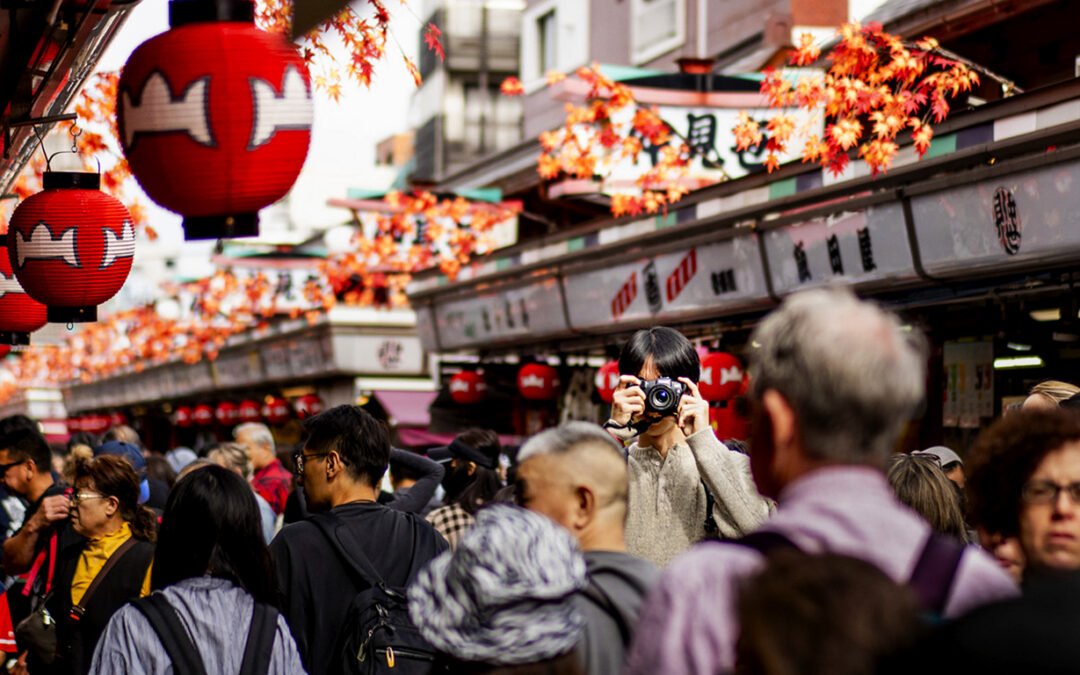
People Watching in Asakusa
Asakusa is one of Tokyo’s most visited neighbourhoods, home to the iconic Sensoji Temple and the bustling Nakamise Street. It is vibrant, loud, layered with colour, culture and tourists. For someone who usually avoids busy, overwhelming environments, it wasn’t the most calming place to visit.
However, photographing Asakusa, Japan taught me something important. When everything feels chaotic, the camera becomes an anchor. Instead of absorbing all the noise, I narrow the frame. In doing so, the chaos softens and the focus shifts back to story rather than stimulus.
This is how I documented Sensoji Temple and its surrounding streets, and ultimately how people watching became my way of finding stillness in Tokyo.
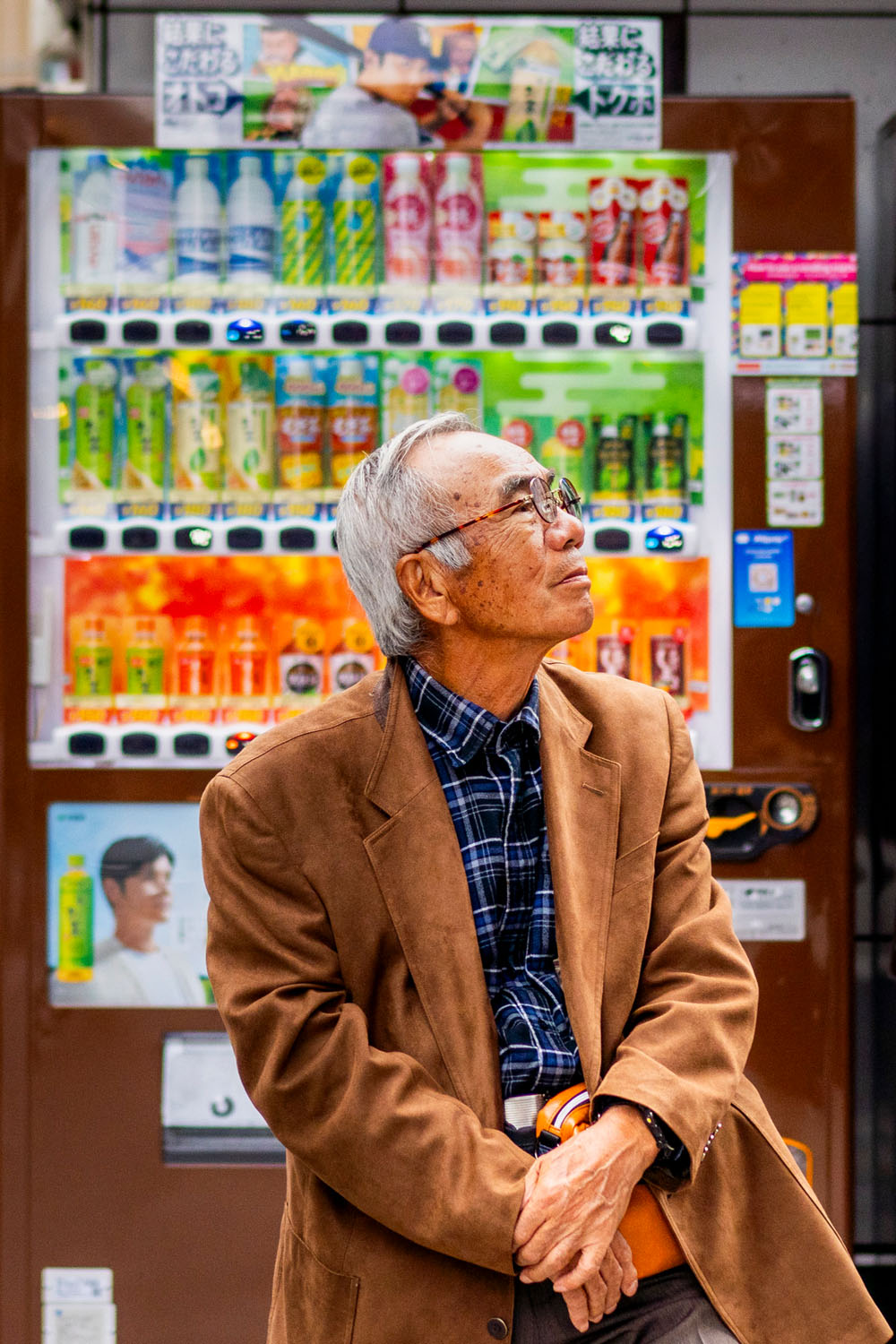
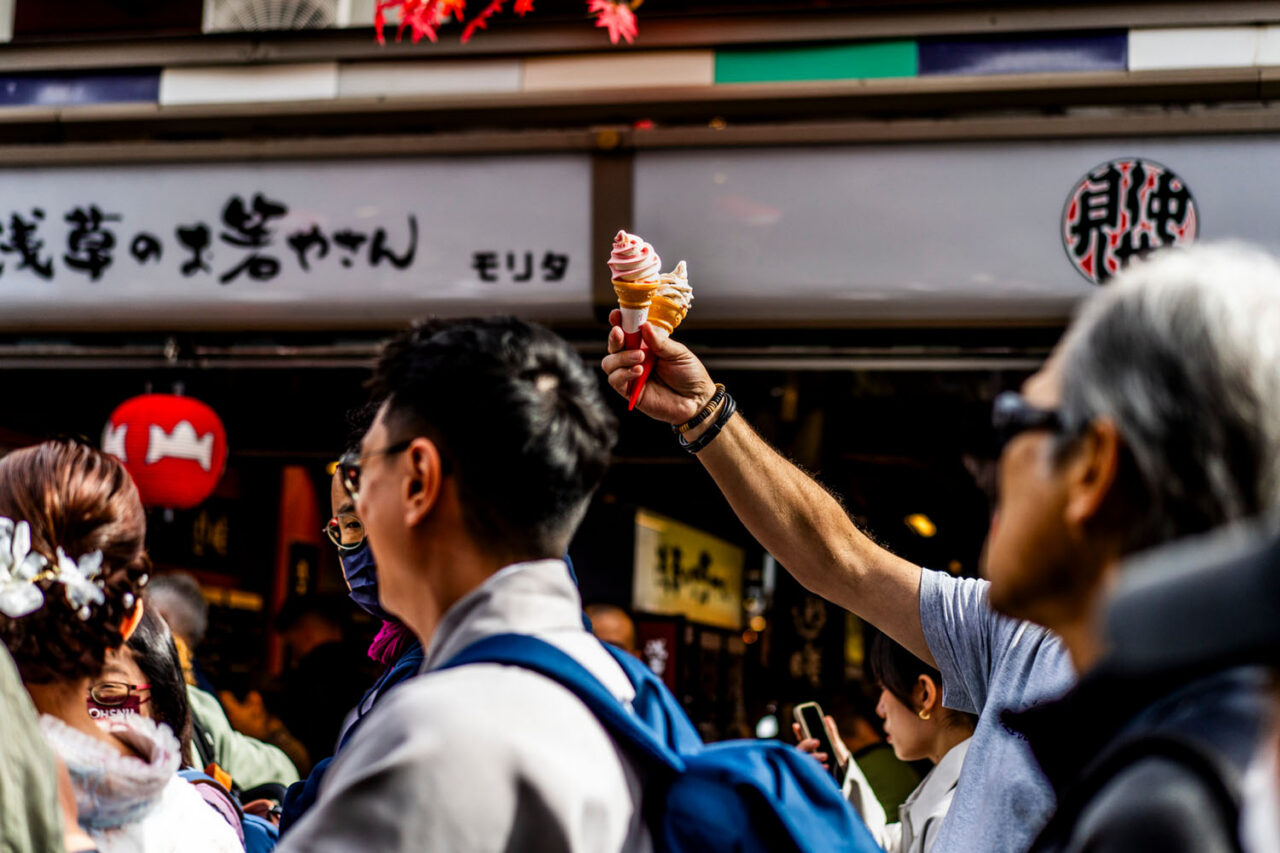
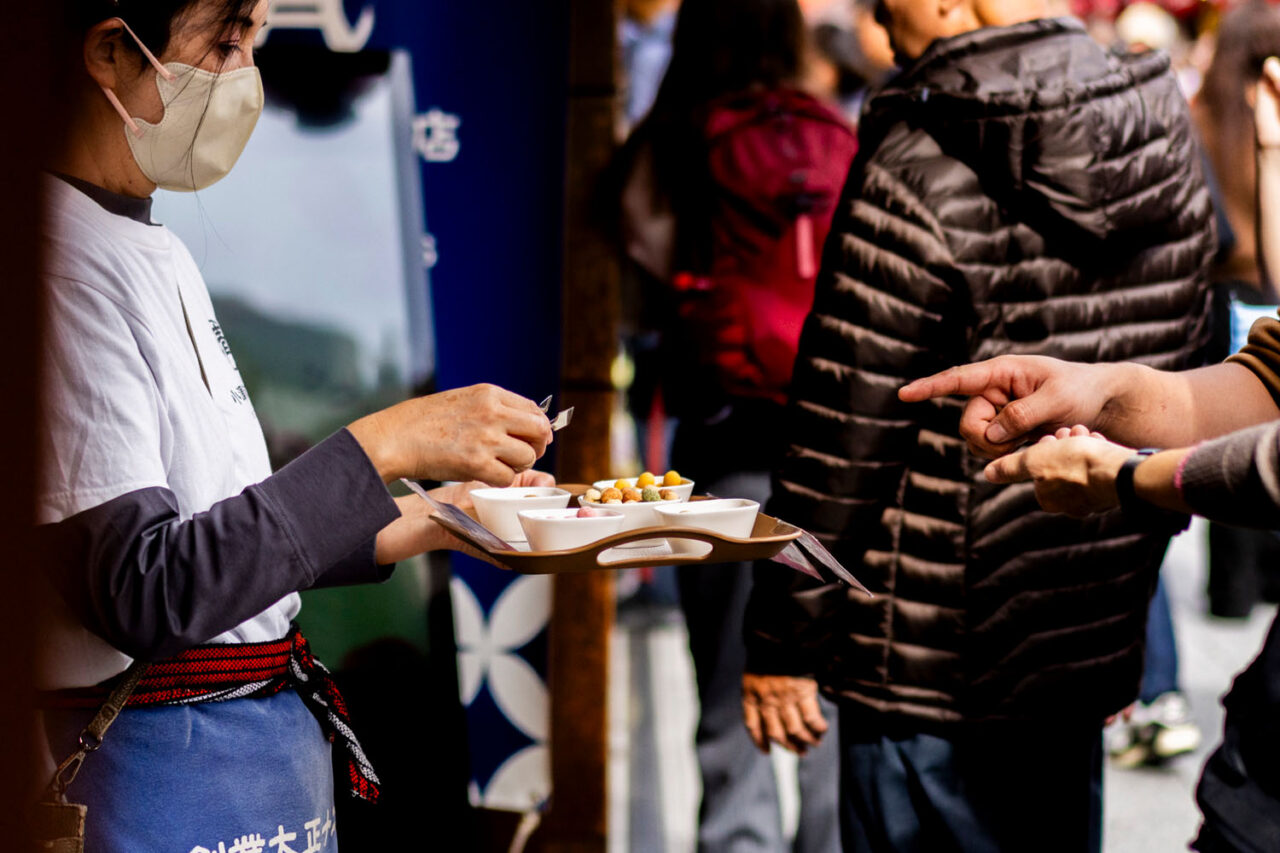
Sensoji Temple on a Saturday
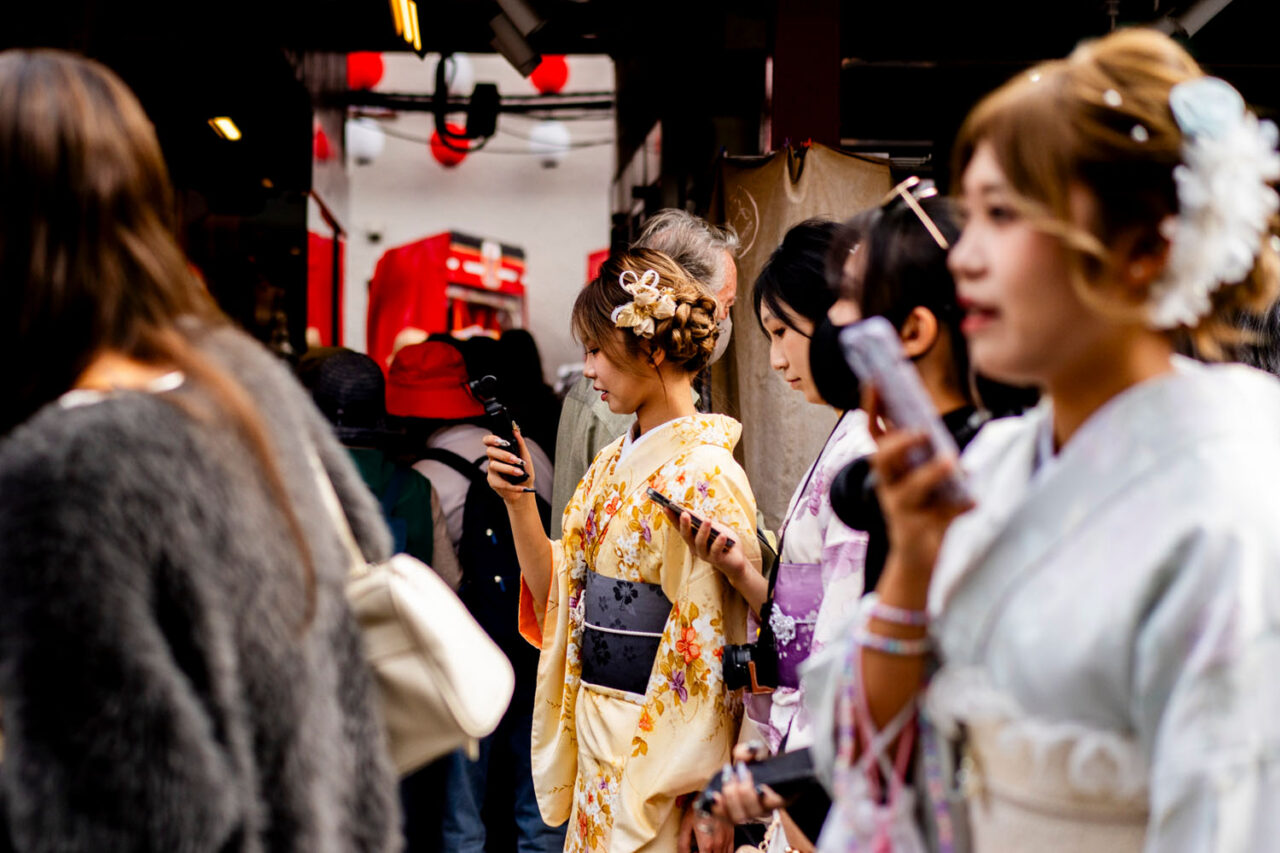
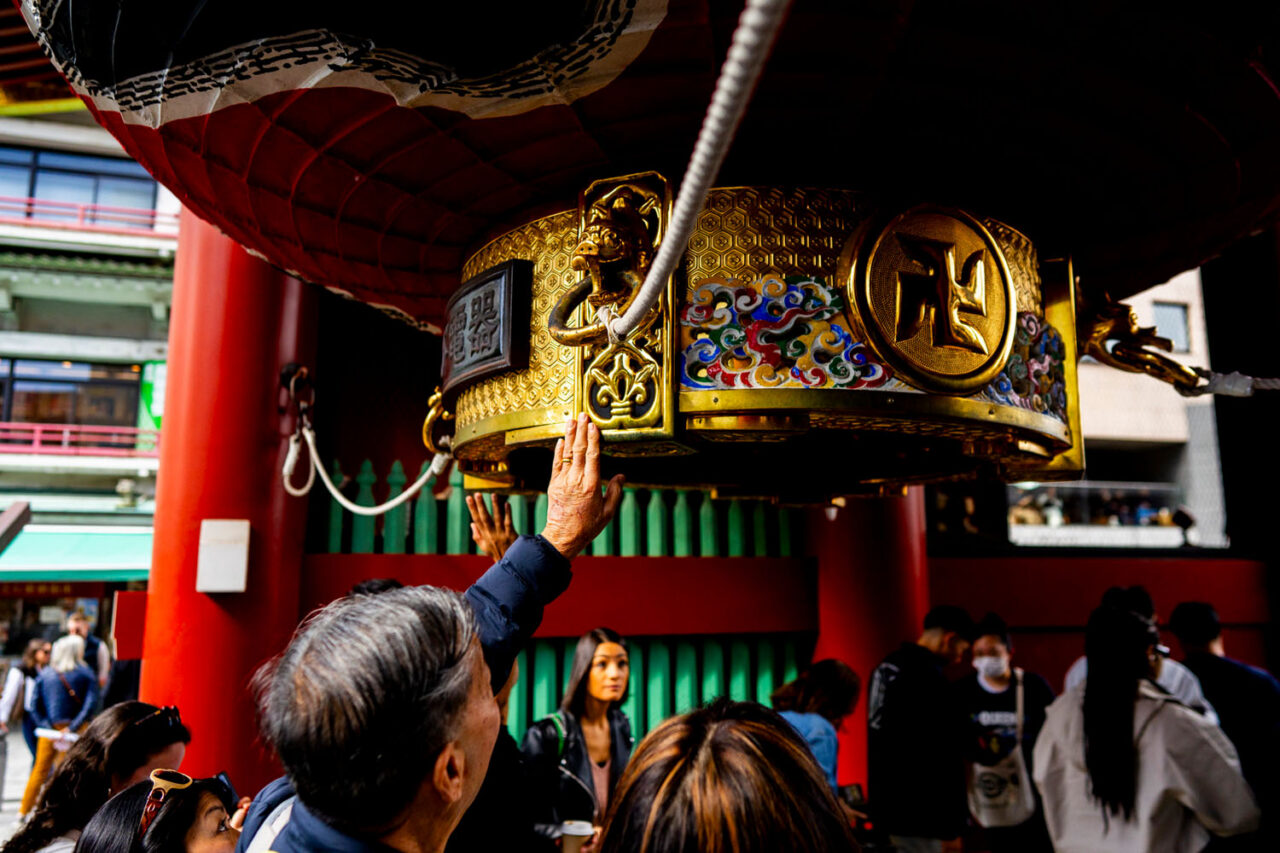
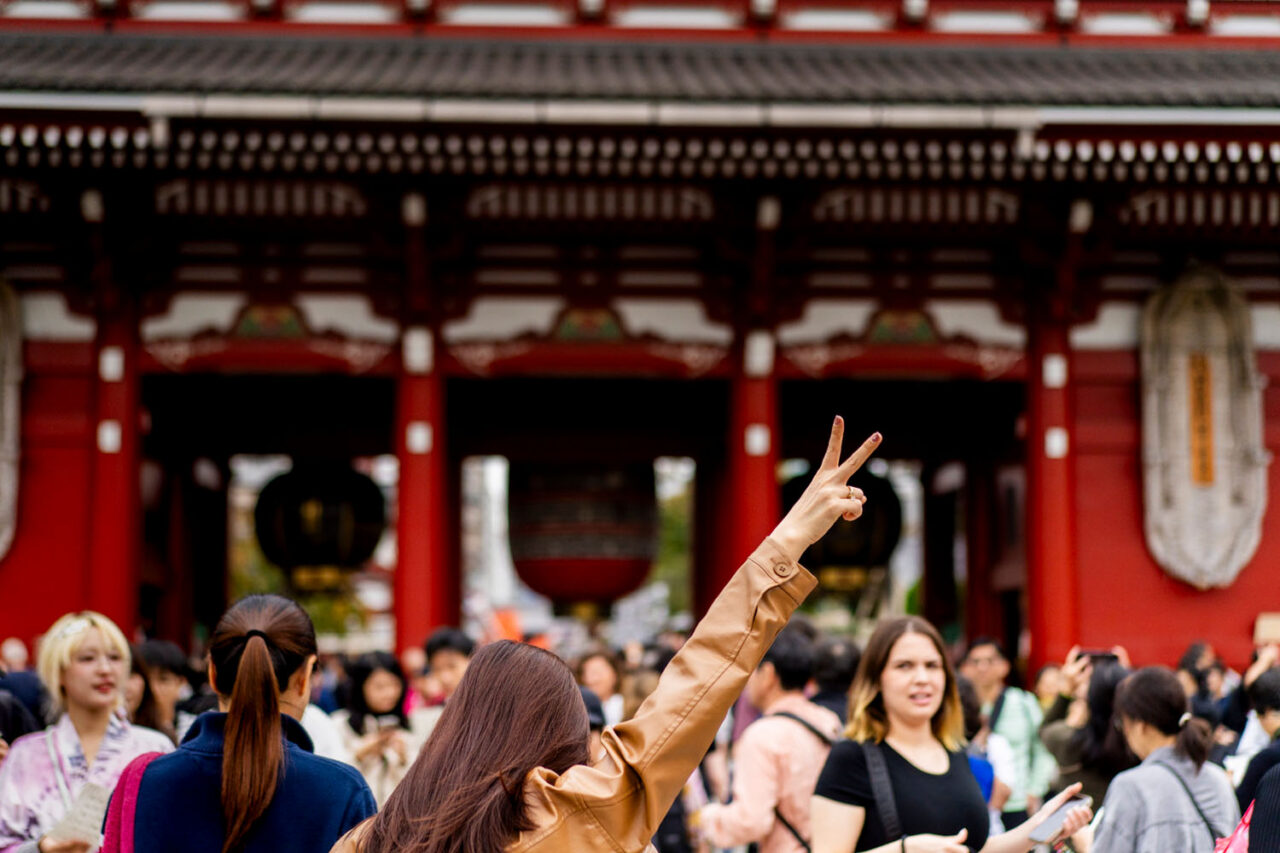
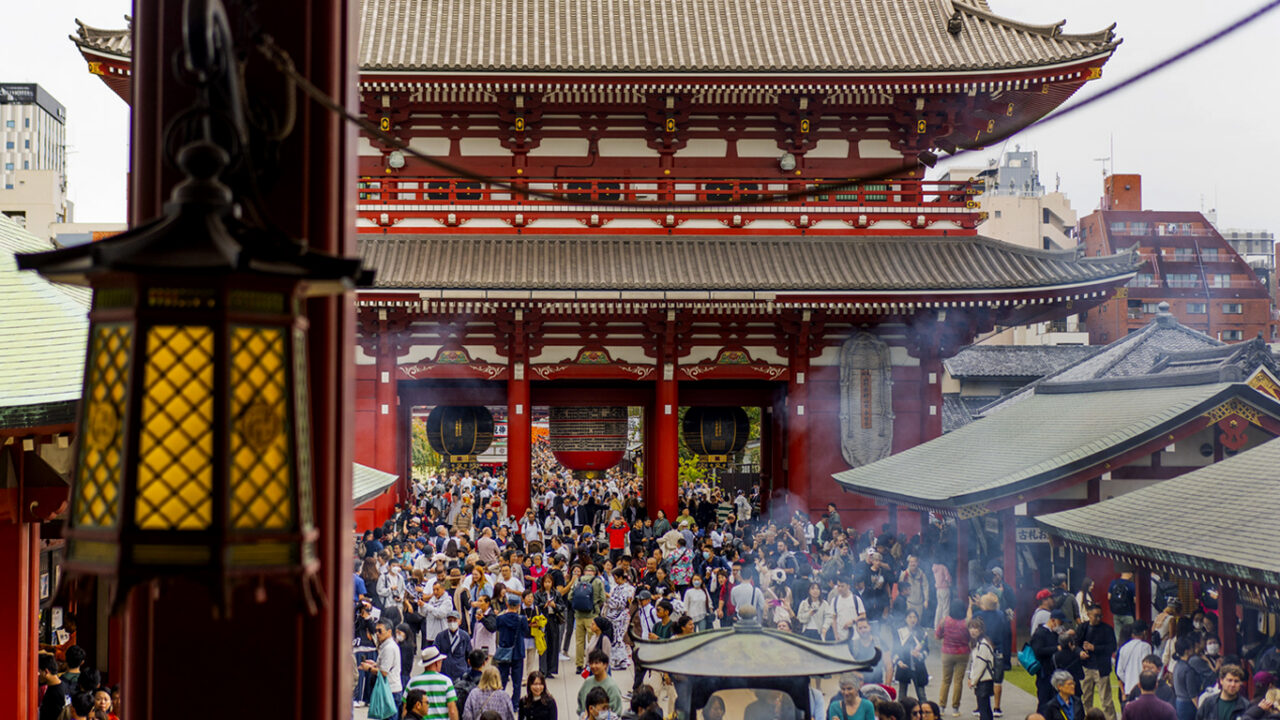
We arrived at Sensoji Temple on a Saturday. As expected, tourists were everywhere. Aussie accents bounced around like home had followed us to Tokyo, while crowds from every corner of the world slowly funnelled down Nakamise Street toward the temple and the largest lantern I have ever laid eyes on.
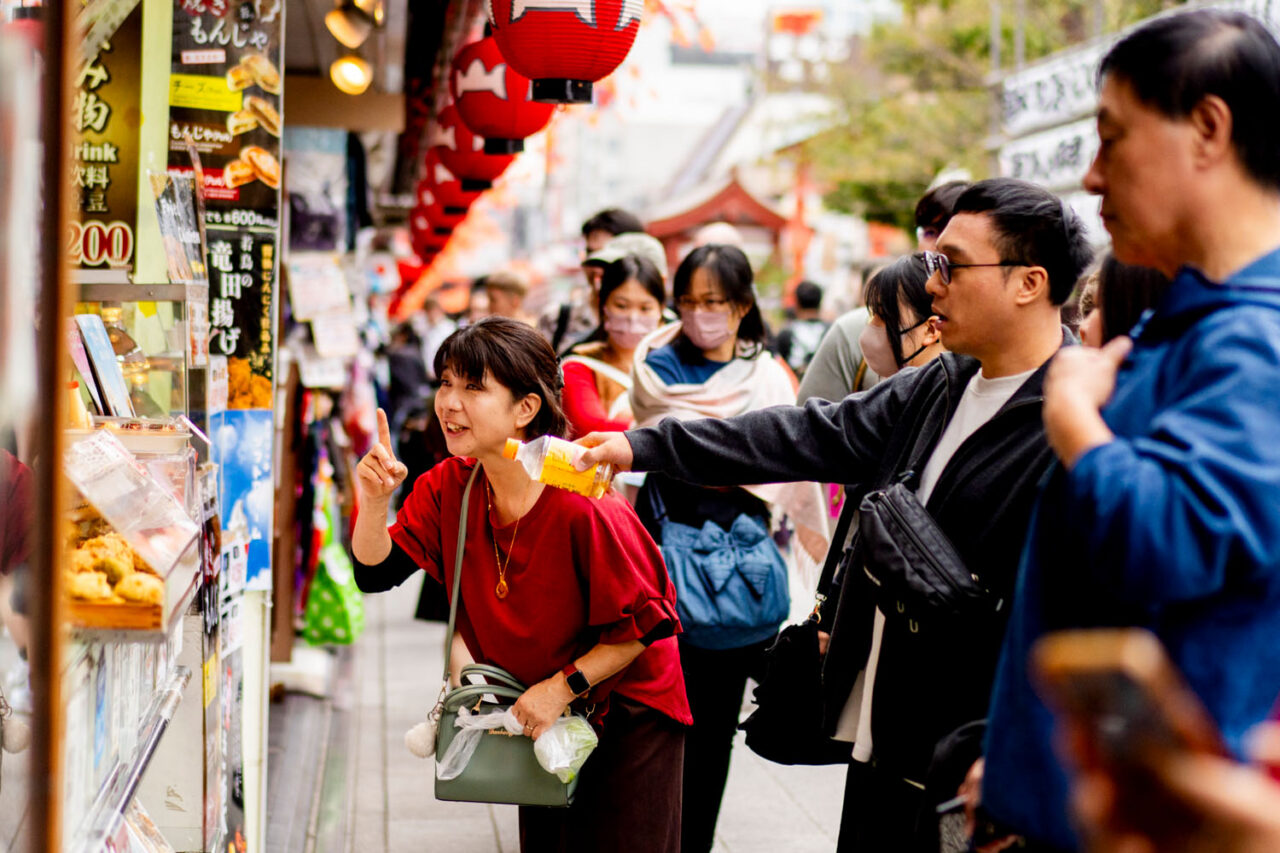
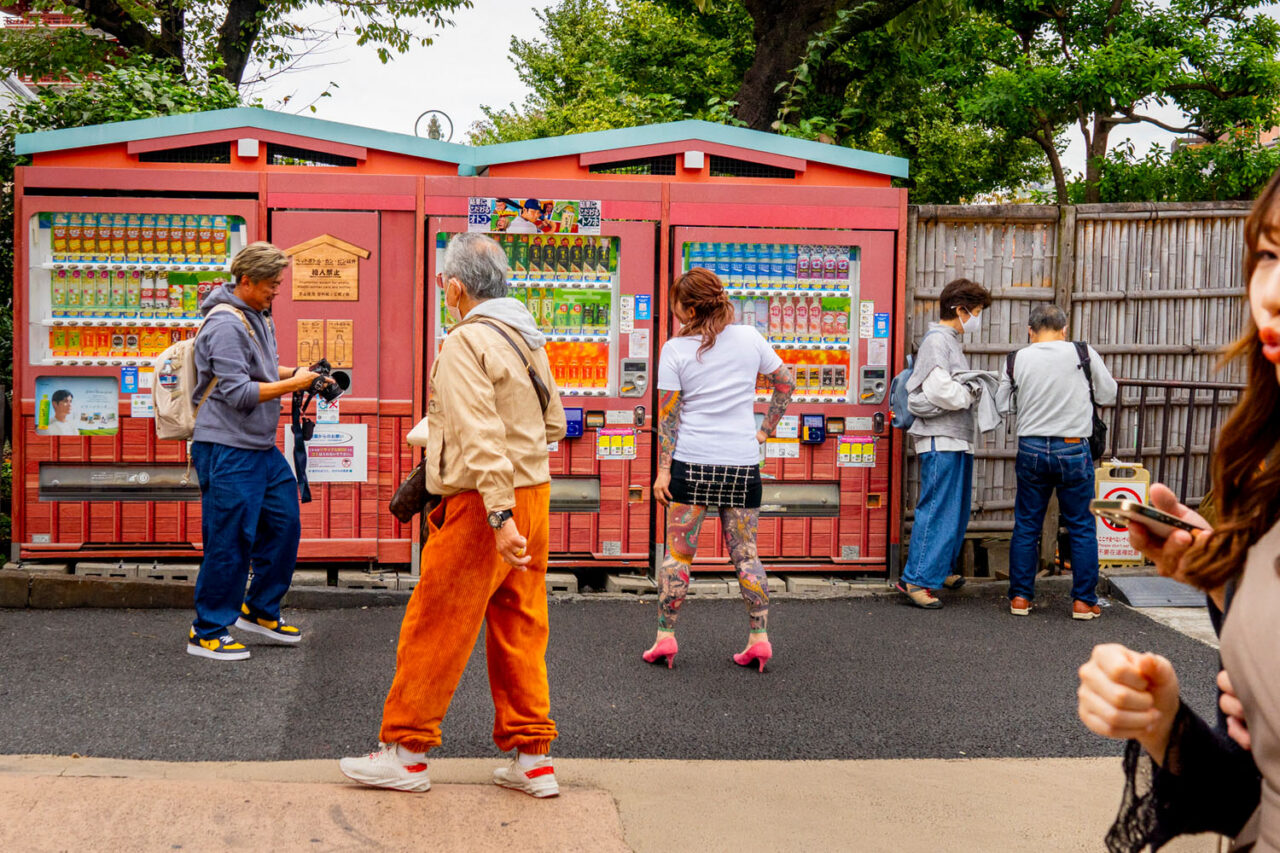
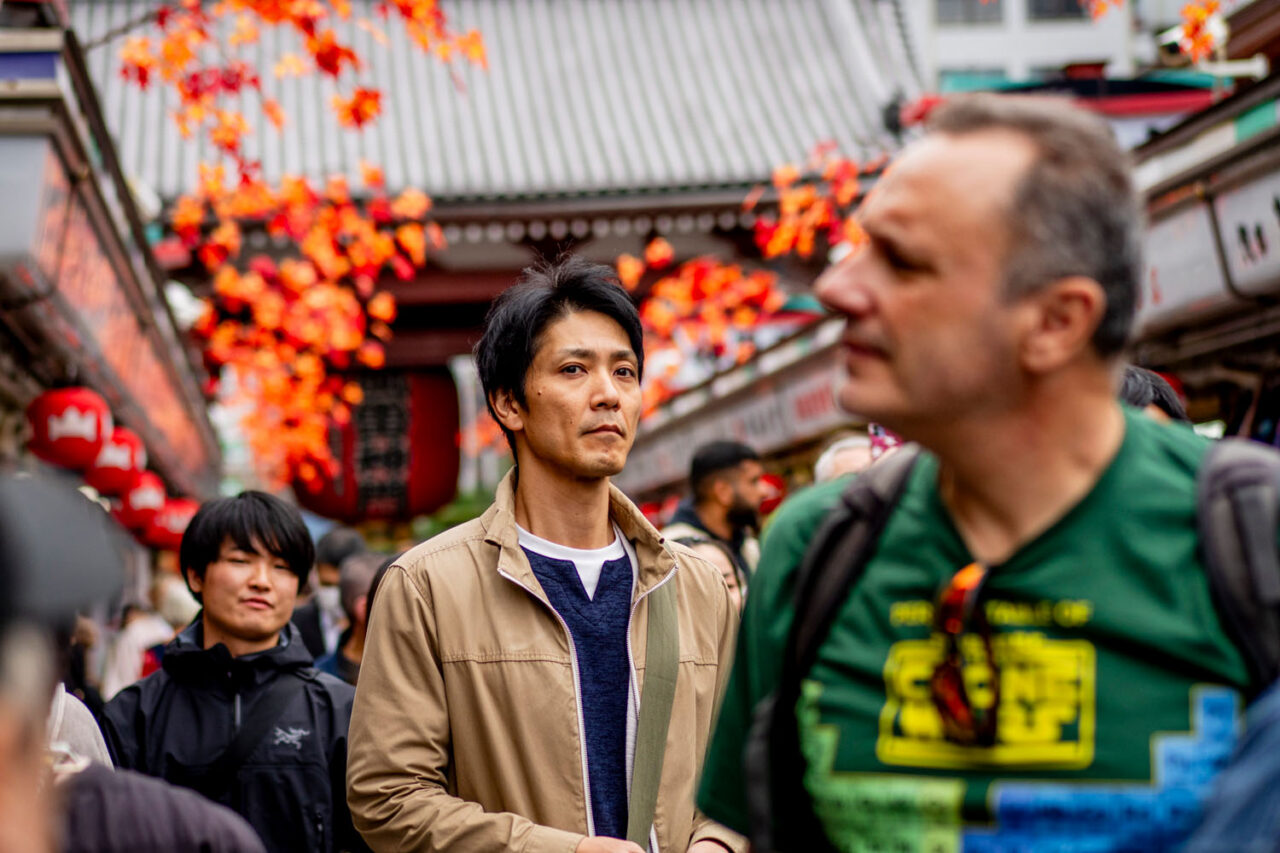
Because Asakusa features in almost every Tokyo travel guide, the popularity is obvious. The energy is constant. Cameras are raised. People move through the chaos absorbing it all. Street food sizzles. Trinkets spill from tiny shops. Meanwhile, shopkeepers call out to passing visitors. Altogether, it is immersive in every sense.
At first, I felt slightly intrusive documenting it. It was as though I was stepping into someone else’s moment. Yet the storyteller in me couldn’t look away.
Who are they?
Why are they here?
What will they carry home from this place?
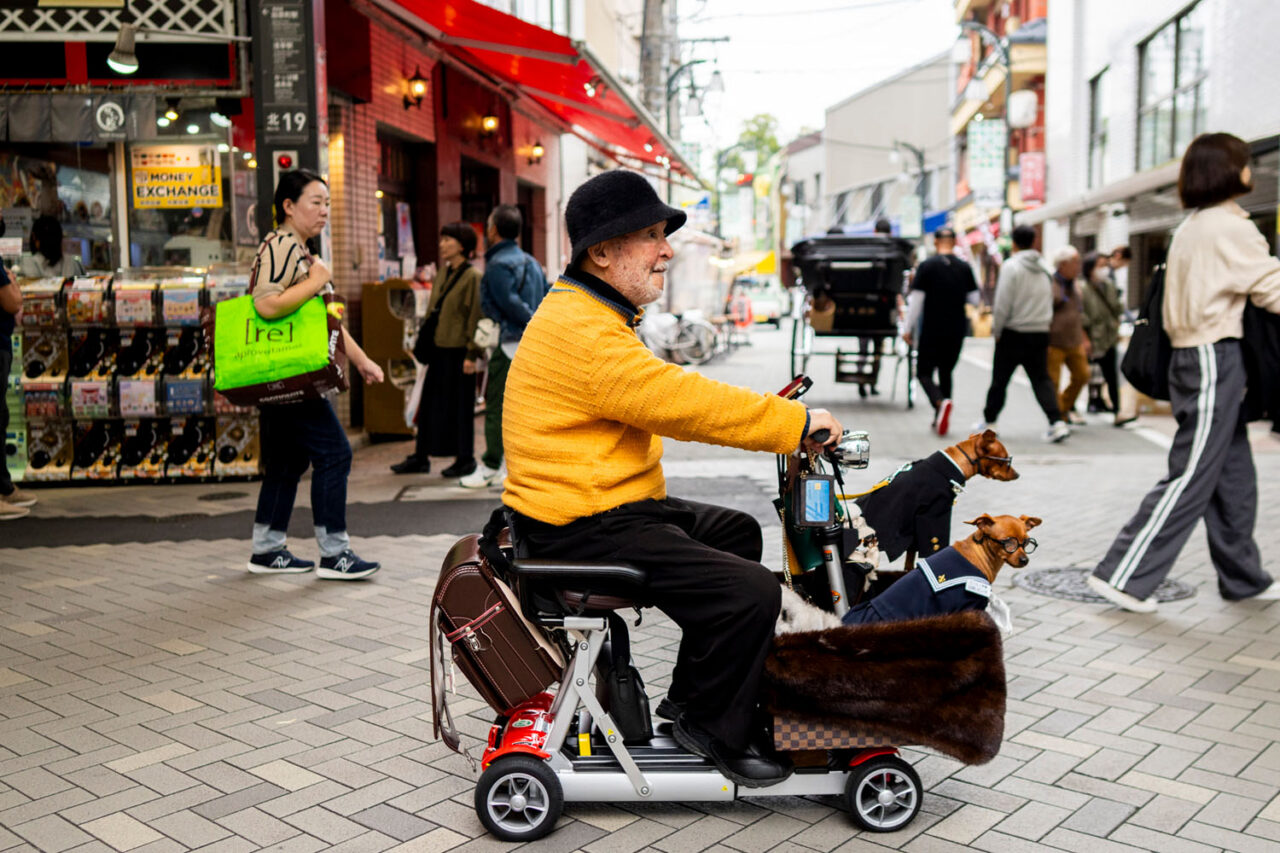
While my wife and son paused to look at souvenirs, I hovered nearby and observed. Gradually, the exchanges, small gestures, shared excitement and occasional eye contact began to stand out. Over time, the chaos shifted into narrative.
Photographing Crowds Without Feeling Overwhelmed
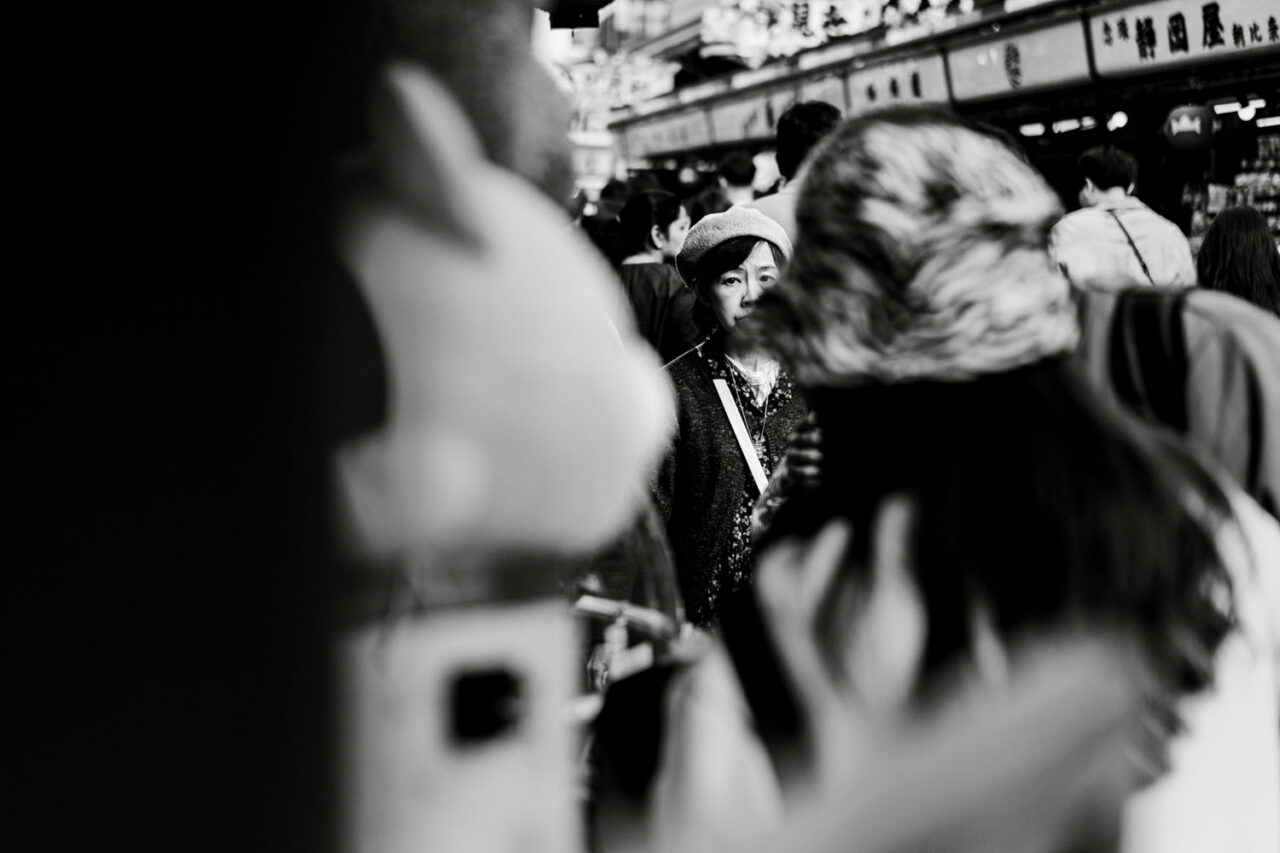
As I mentioned earlier, I am not someone who thrives in packed spaces. Normally, busy and claustrophobic environments make me want to turn around and leave. Still, travel often asks you to lean into discomfort rather than retreat from it.
For me, travel photography provides a way through that tension.
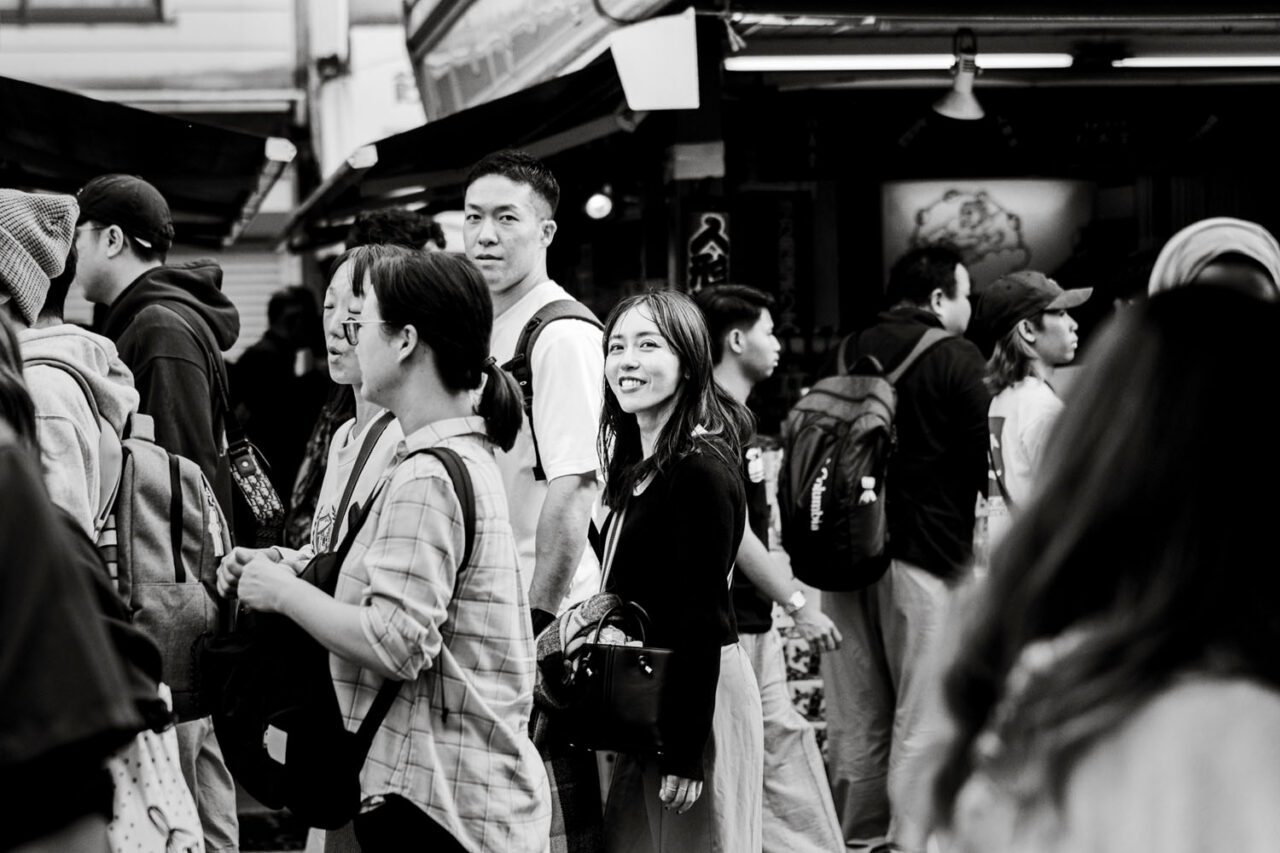
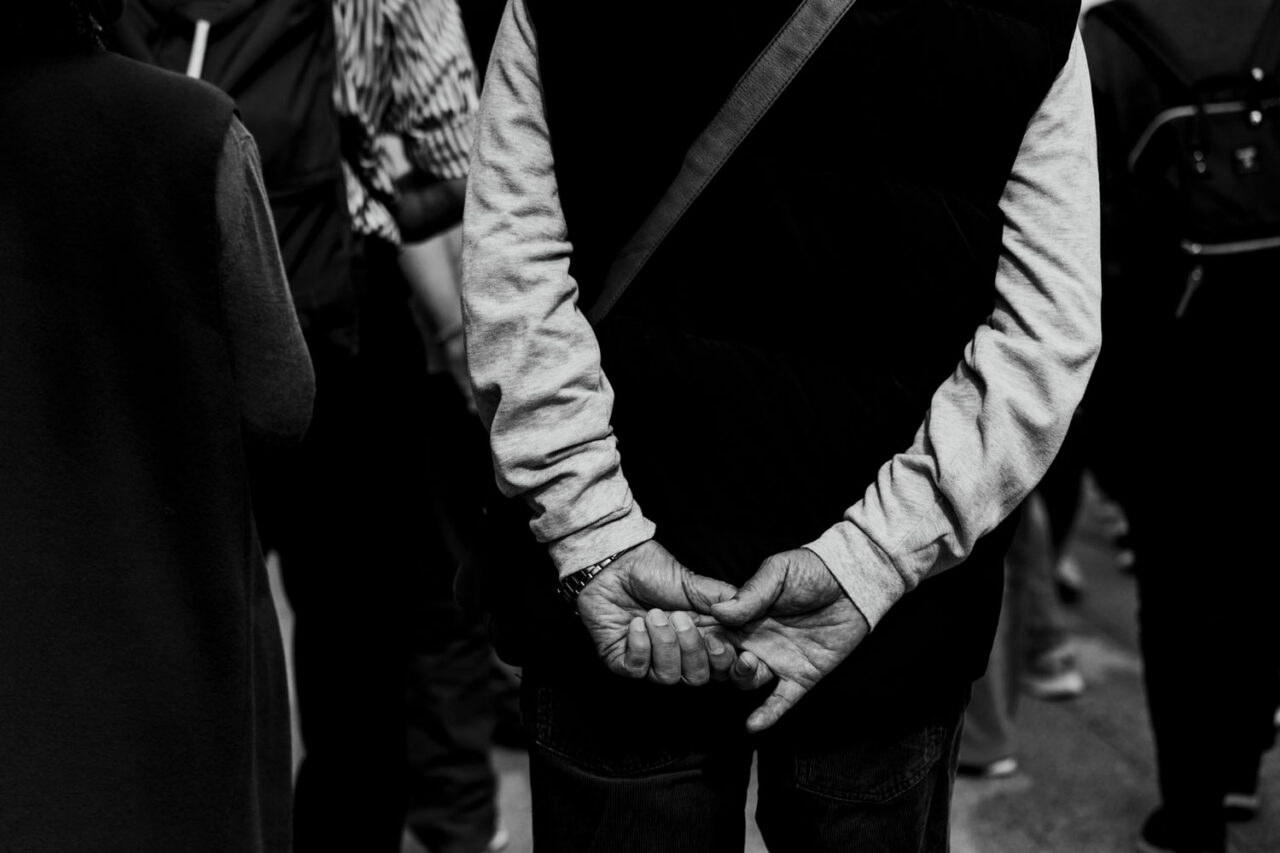
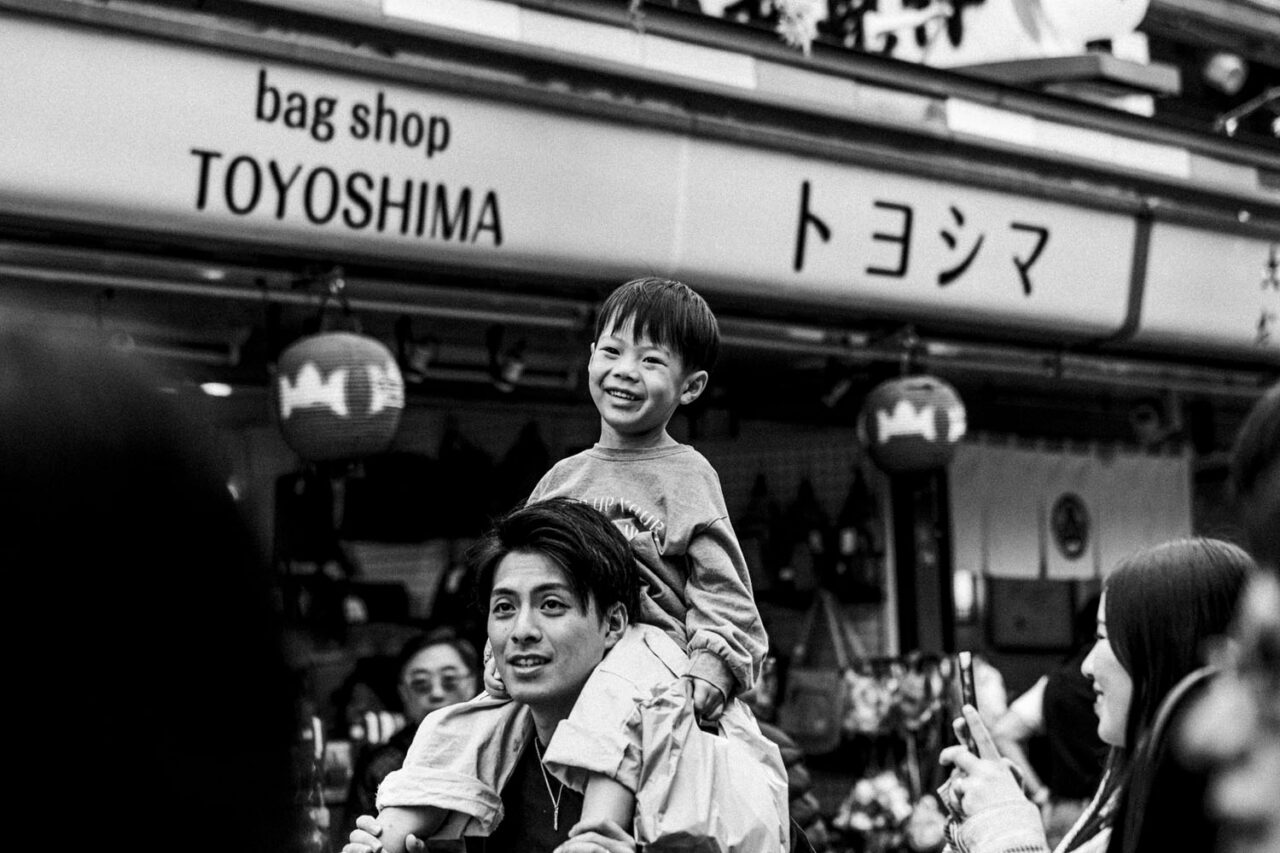
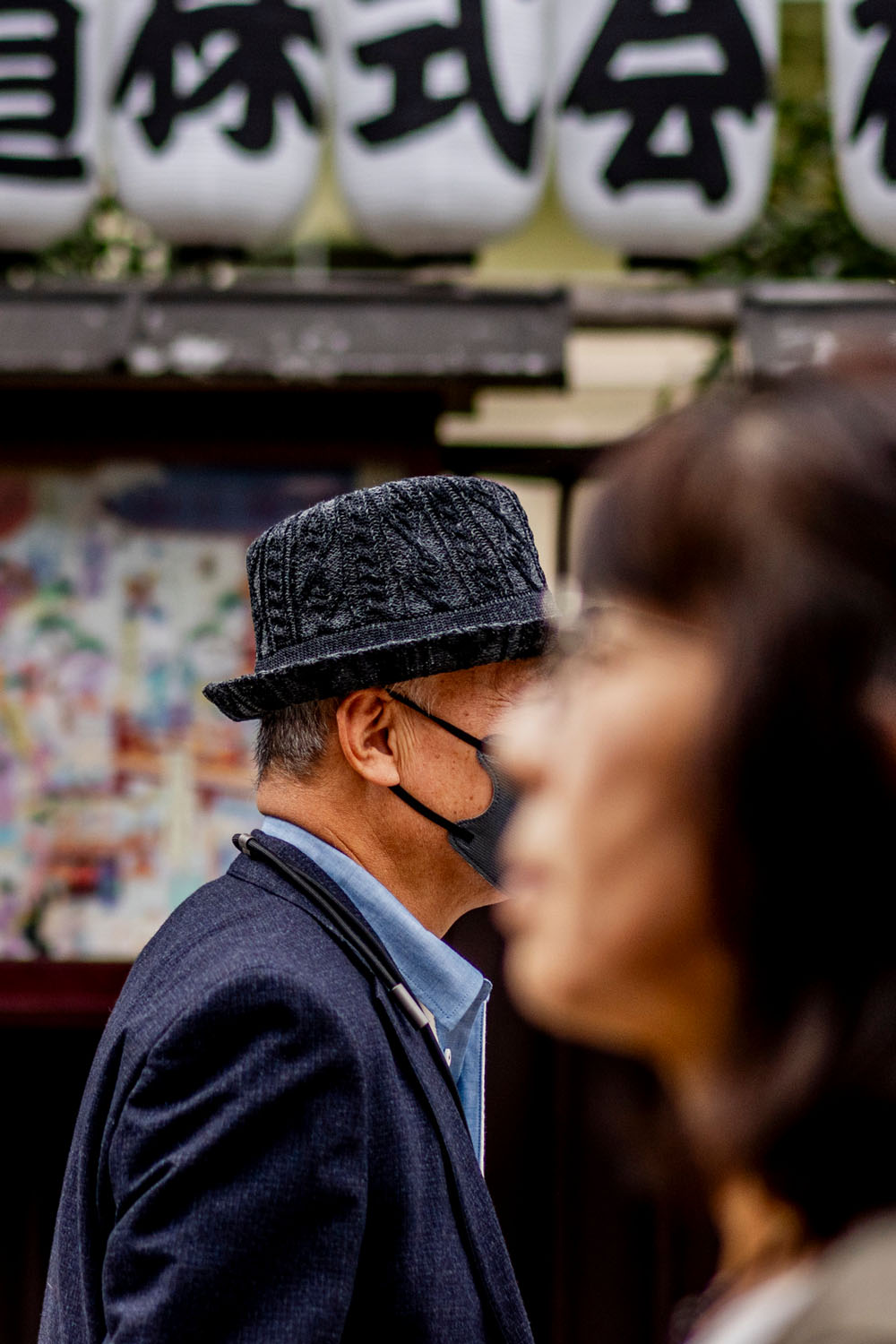
Once the camera is lifted, everything changes. The volume drops. My focus sharpens. Instead of scanning the entire scene, I look for light, contrast, hands and expressions. By simplifying what I see, the overwhelm eases.
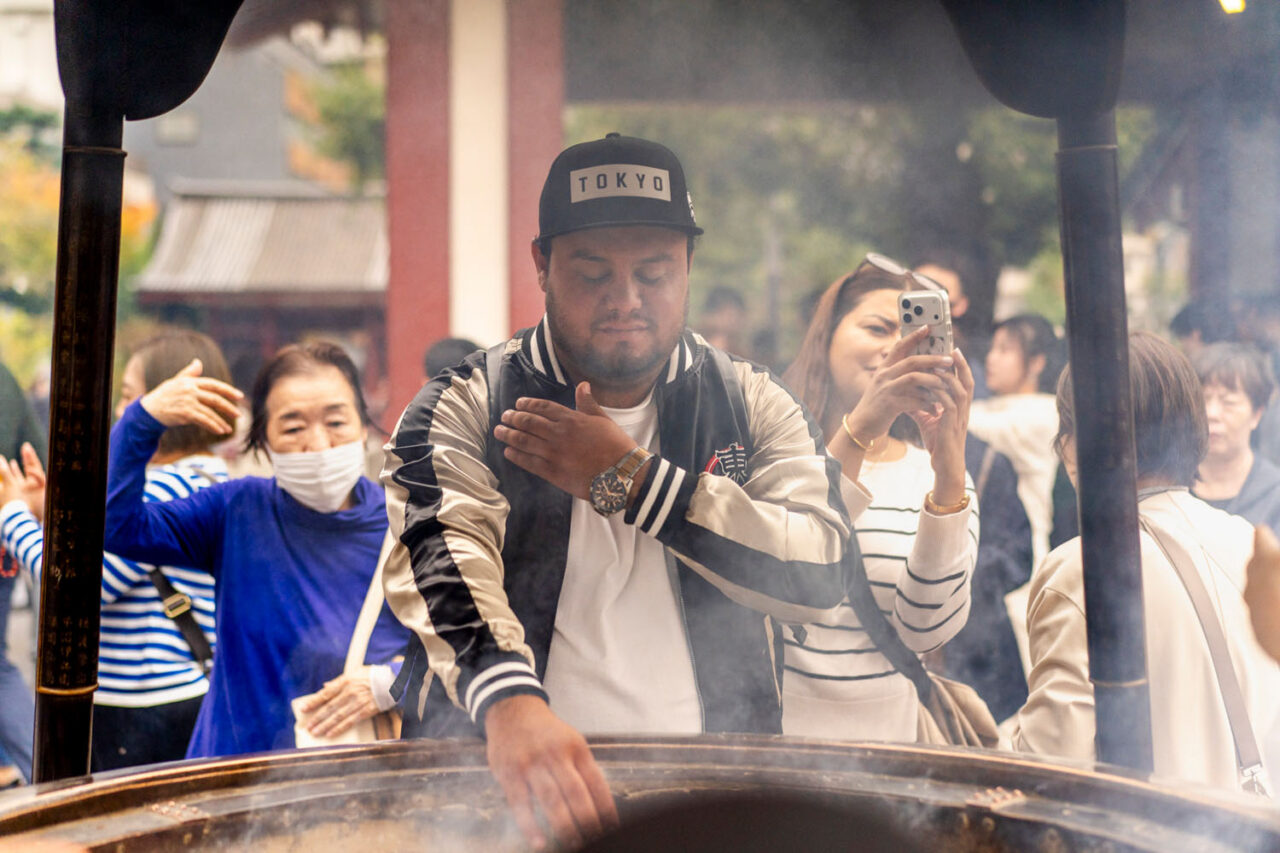
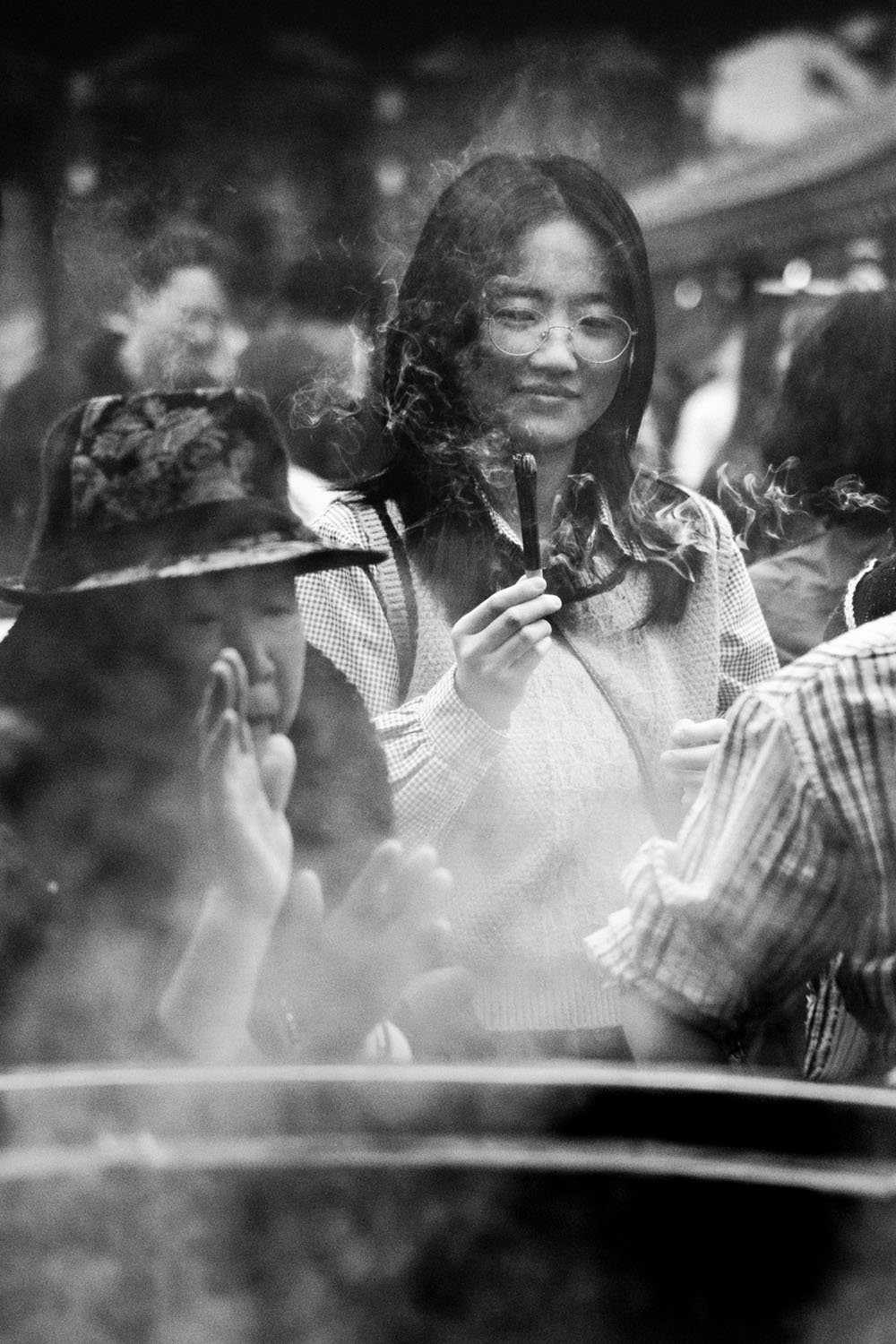
If you are practising street photography in busy places in Japan, especially somewhere like Asakusa, less is often more. For example, a shallow depth of field paired with a wide lens can isolate a subject beautifully. I used a 24mm at f/2–3.5. Rather than capturing everything, I focused on one person and allowed the swirling movement behind them to become colour and depth.
Incense, Ritual and the Rhythm of Sensoji
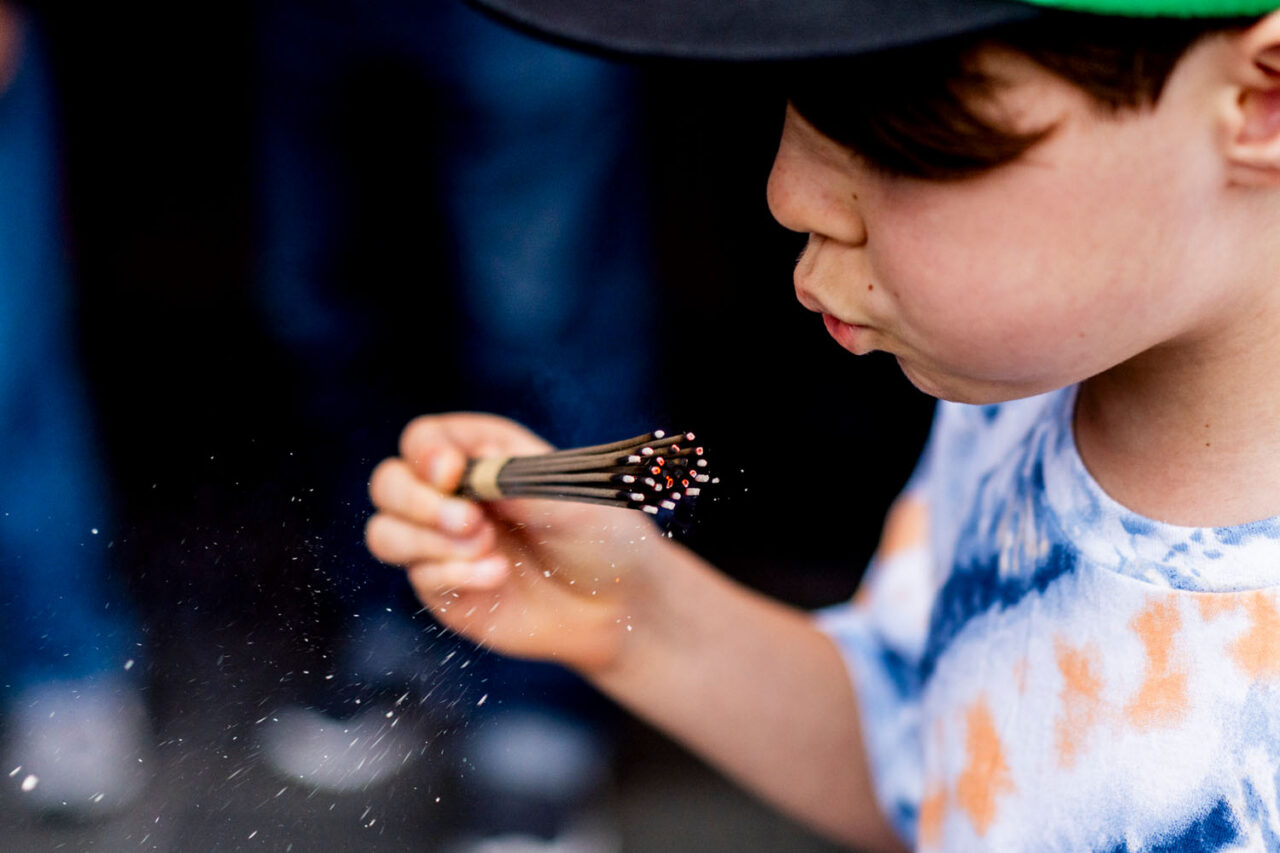
Eventually, we made our way into the temple grounds and bought incense for 200 yen. Two dollars for a wish felt like a small but meaningful exchange, which our son proudly took care of.
As smoke rose into the sky, visitors waved it toward themselves for good fortune. Although loud voices surrounded us and there were too many faces to absorb at once, there was also rhythm within the ritual.
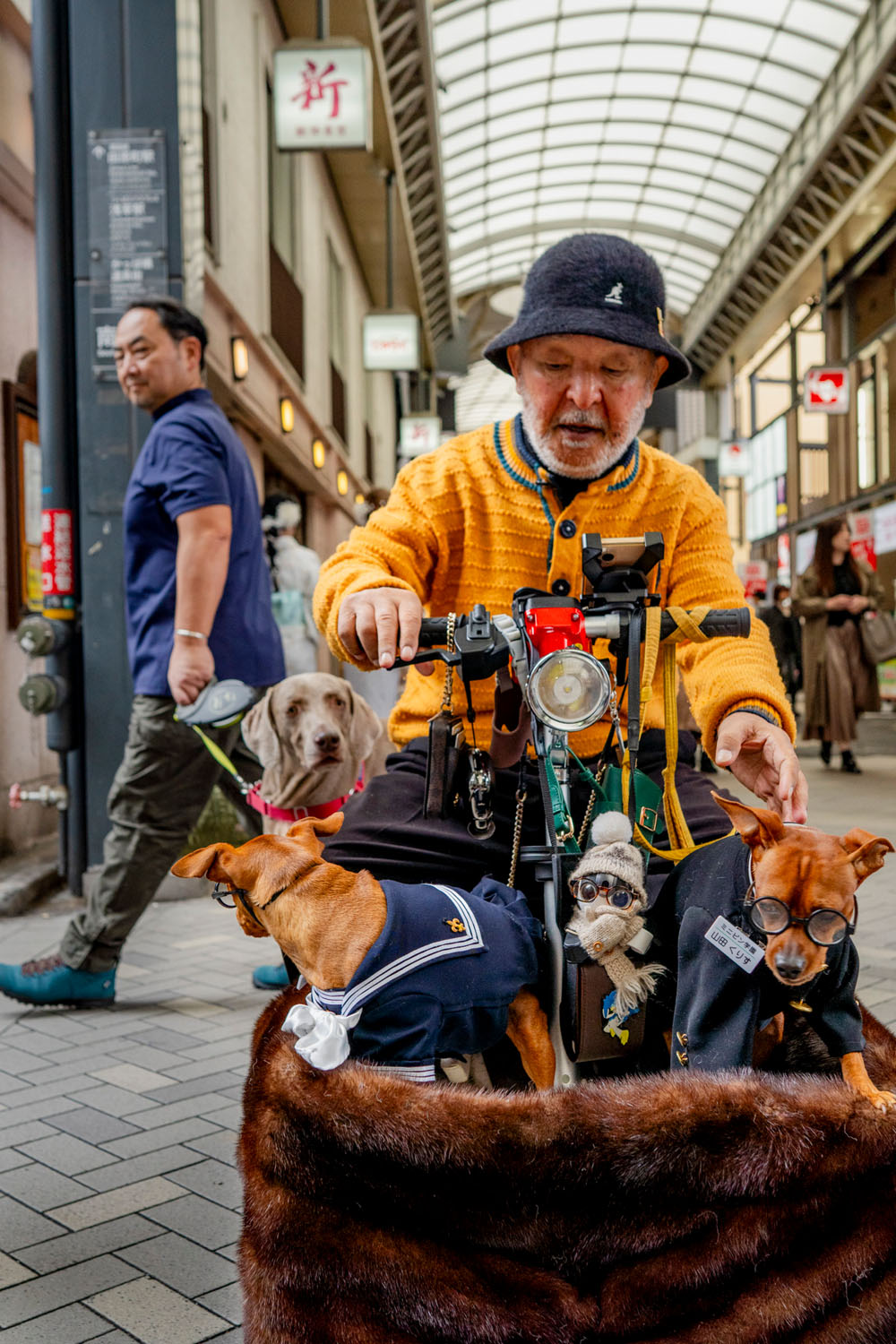
Sensoji Temple is more than a Tokyo landmark. It is active, living culture. Here, people pray. Others observe. Many experience something deeply personal within something undeniably public.
Because of that, travel photography in Japan becomes richer when you pause long enough to notice those quieter layers beneath the surface.
Why Travel Photography
When I put the camera to my face, the busy Tokyo afternoon shrank down to the stories unfolding in front of me.
People watching. Storytelling. Camera steady. World quiet.
Travel photography in Asakusa was not about ticking off a Tokyo landmark. It was about connection. About noticing. About finding stillness inside movement.
This is how I cope.
This is how I pay attention.
This is how I connect.
Travel Tips for Visiting Asakusa and Sensoji Temple
If you are planning a visit to Asakusa, here are a few practical Japan travel tips:
- Visit early morning before 8am for softer light and fewer crowds
- Weekdays are noticeably quieter than weekends
- Incense offerings at Sensoji Temple cost around 200 yen
- Step into side streets away from Nakamise Street for slower moments
- If photographing people, pause first. Read the space. Respect the story
- Wide lens works well for candid travel photography in busy environments. I personally use prime lens but, zooms are great and allows more range.
Asakusa will likely feel busy no matter when you go, especially if you don’t enjoy crowds. But if you slow down and narrow your focus, you may find what I did. Stillness hiding inside movement.
I have travelled over the world documenting weddings from Laval, France. New Zealand to Brooklyn NYC, New York.
I love travelling and LOVE NYC! Here is Gav & Liana’s NYC wedding