
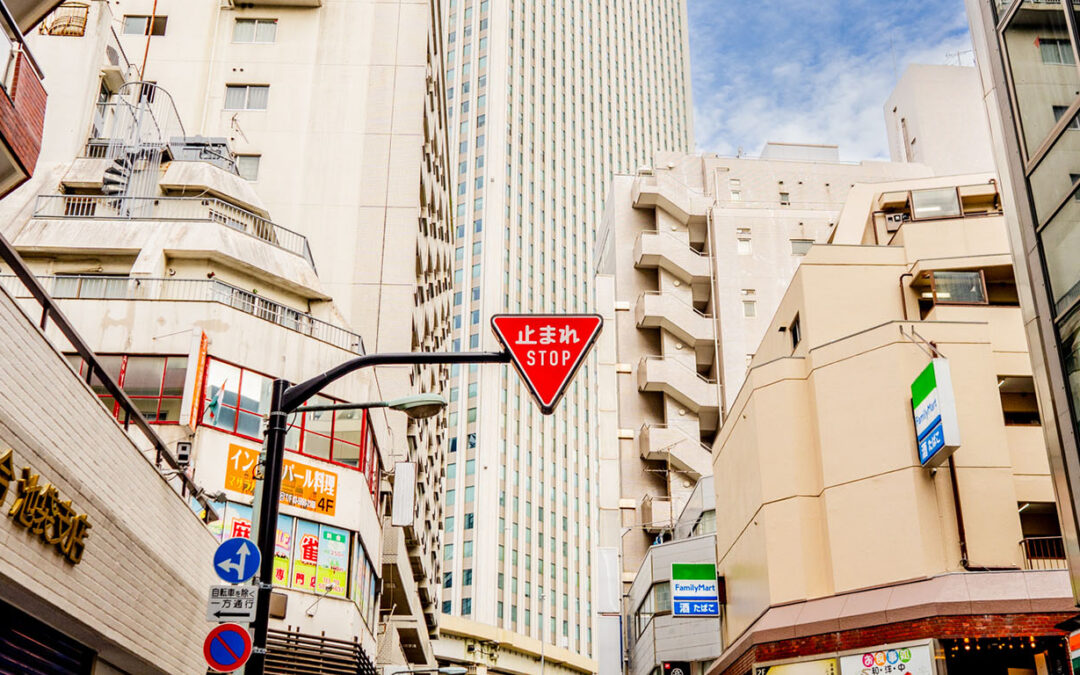
If you want to know what Asakusa actually feels like, and see the photos that go with it, I have already written about that. You can read it here: Finding Stillness in the Crowds: Travel Photography in Asakusa, Japan.
This blog is something different. These are the practical things. The stuff I wish someone had told me before we left. Some of it we figured out in time. Some of it we learned by paying for it.
Go to the touristy places early. Really early.
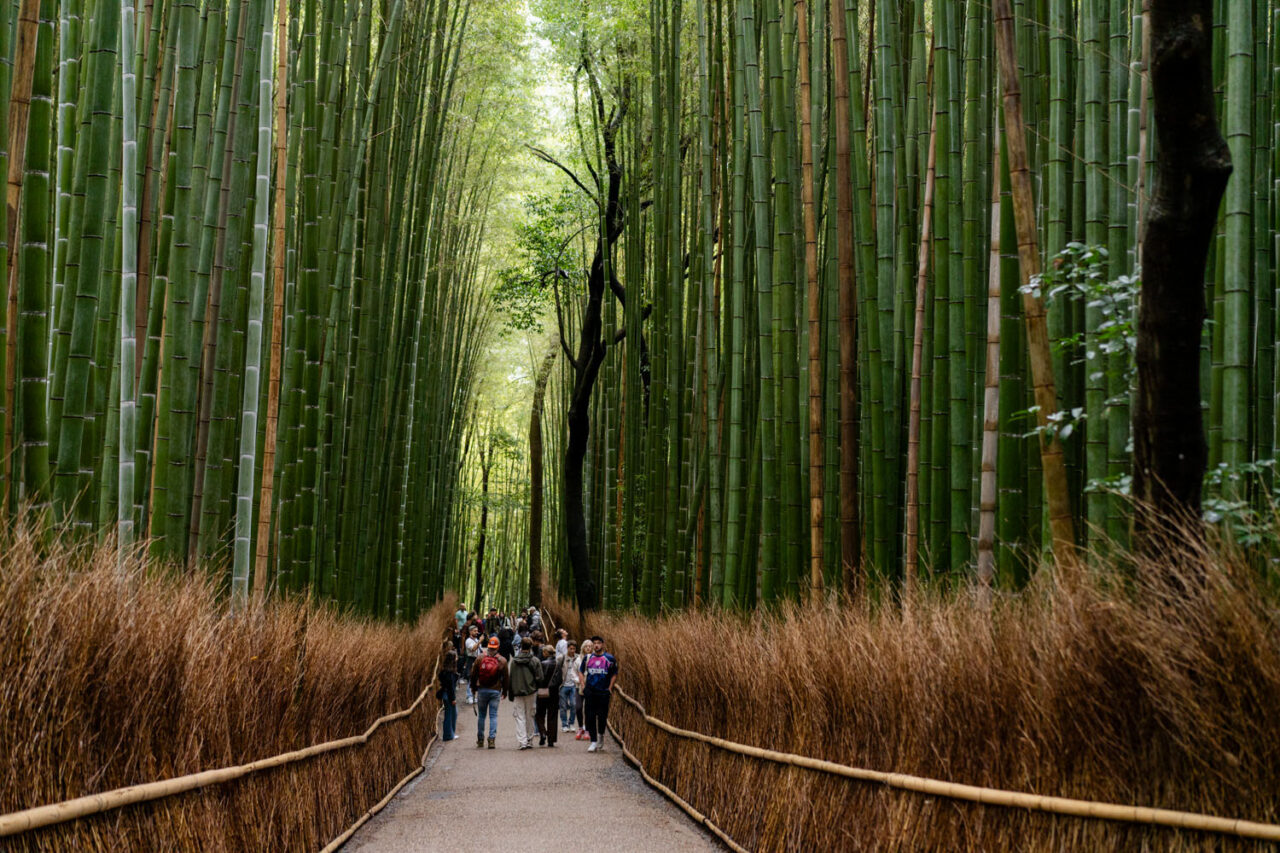
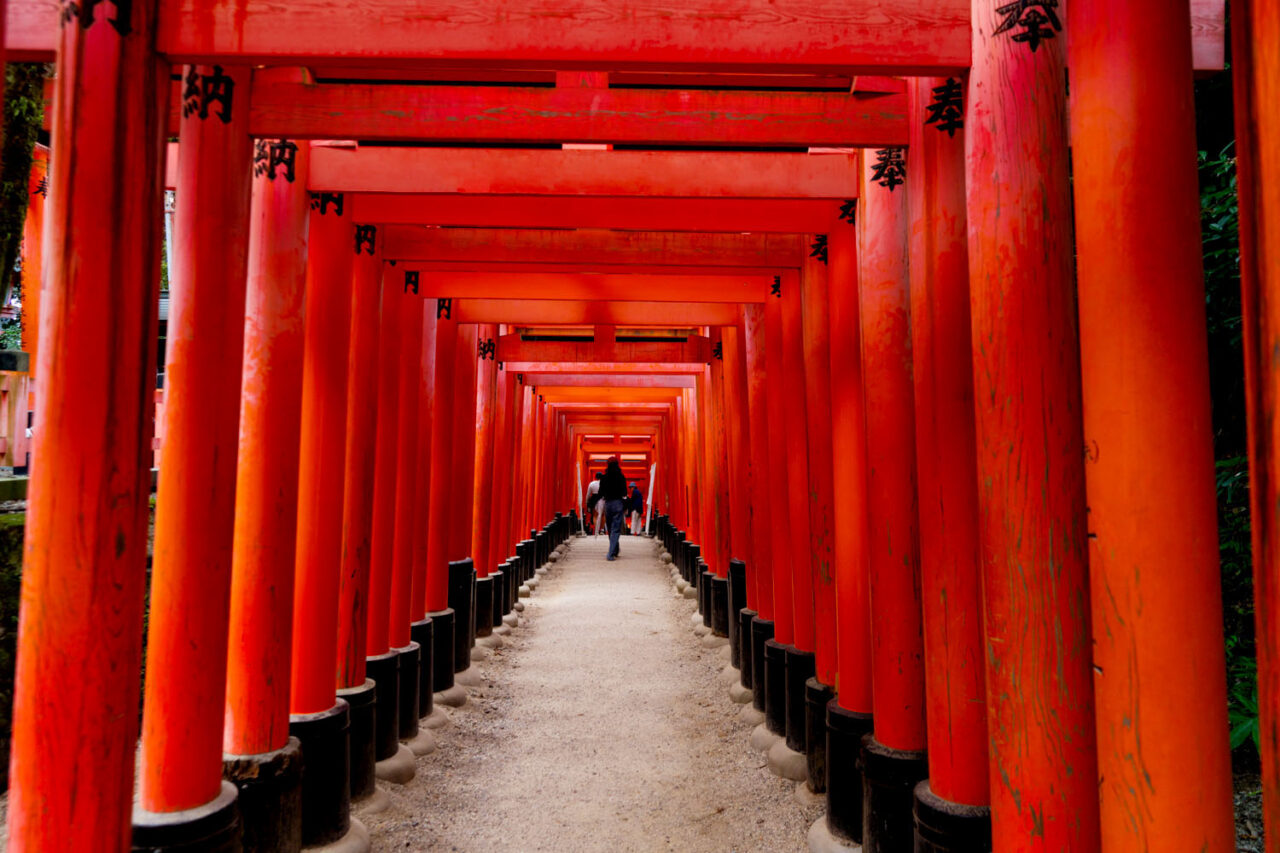
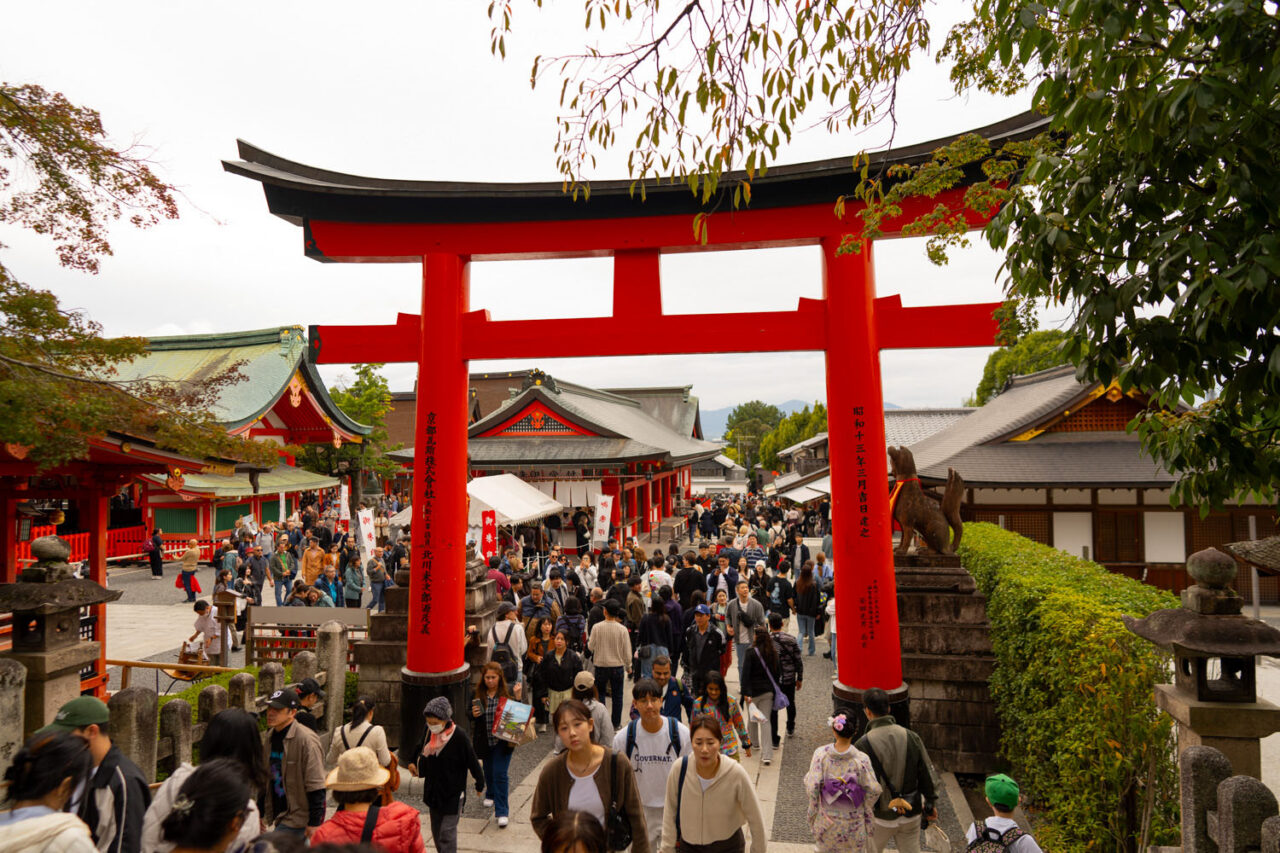
Arashiyama Bamboo Forest, Fushimi Inari’s 10,000 torii gates, anything that appears in every Japan travel guide you have ever read. Get there by 7.30am.
We arrived at the Bamboo Forest at 8.15am and it was genuinely peaceful. People were moving slowly, taking it in, not performing for anyone. By 10am it was a different experience entirely. The crowds arrived, the volume went up and that quiet quality was completely gone.
The early start is worth it every time.
Vyvanse is prohibited in Japan
This one is critical if you or anyone travelling with you takes it.
Vyvanse is classified as a prohibited substance in Japan and you cannot simply bring it in your carry-on and hope for the best. You need a detailed letter from your doctor and you need to apply for permission through Japan’s Narcotics Control Department before you travel. The application process takes roughly two weeks.
We found out three weeks before departure, which was cutting it close.
If you are flying in through Osaka, the email for the Narcotics Control Department is worth having early. Do not leave this one until the week before you fly. It will stress you out.
Pack lighter than you think you need to
Carry-on only if you can manage it, especially if you are flying Jetstar.
We were 3kg over our 23kg allowance departing Melbourne and paid $90 on the spot. On the way home, not wanting to risk it again, we paid for an additional 25kg bag at $165. We did not even come close to filling it.
In hindsight, the smarter move would have been to pack light, fly carry-on only and buy a cheap sports bag in Japan to bring home anything we picked up along the way.
One thing that was genuinely useful: if you do have a large suitcase, Japan has a luggage transfer service where you can pay to have it sent ahead to your next hotel. This is a proper game changer when you are moving between cities. Just make sure someone at the counter speaks enough English to confirm the destination. We ended up paying $35 for a bag to go to storage in Tokyo and then another $25 to get it to Osaka the day before we left. Lesson learned.
One good pair of shoes. That is it.
You will walk all day, every day. One comfortable pair of shoes that you can actually cover ground in is enough. Leave the others at home.
If you are travelling with kids, stay put for a few nights
If your children are past the napping and pram stage, moving hotels every day while also navigating a new city is a fast track to everyone being miserable.
We would recommend booking any hotel for a minimum of three nights and using it as a base. Day trips out, come back to the same bed. It makes the whole thing feel significantly less chaotic.
Vegetarian in Japan is harder than you expect
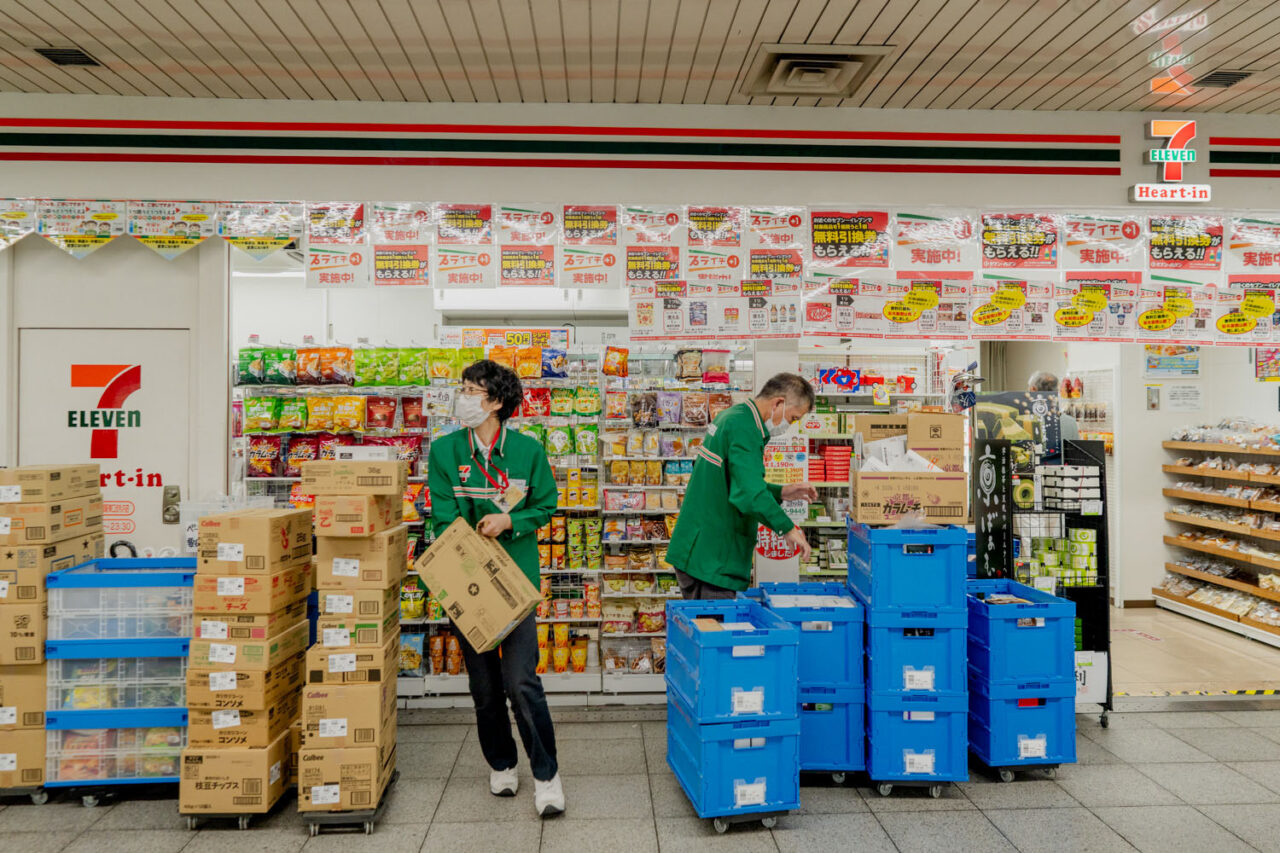
Download the Happy Cow app before you fly. We did not know about it and spent two weeks figuring out food on the fly. A lot of egg sandwiches, bananas and yoghurt from 7/11. Not the culinary highlight of the trip.
What we did discover is that Indian restaurants throughout Japan tend to have solid vegetarian options. Worth keeping in mind and worth searching Happy Cow ahead of time so you already know where you are eating before hunger becomes a problem.
Get an eSIM before you leave
Klook was excellent for this. Affordable, easy to set up and if you run into any issues they have English-speaking support who will actually walk you through it. No hunting for a SIM card at the airport, no roaming fees, no stress.
Bring a battery pack for your phone
Buy one before you leave if you do not already have one. You will be using your phone for maps, translation, photos and everything else, all day long. A dead phone in Tokyo is an inconvenient problem you do not need.
Have the best time!